Melbourne Sports Team Photography: Behind the Scenes at Training Sessions
There’s a specific kind of energy on a Melbourne training ground. It’s not the polished quiet of match day, and it’s not the chaotic scramble of kids everywhere. It sits somewhere in the middle, with coaches running patterns, players resetting on the fly, and a constant layer of movement that never quite stops long enough for the camera to “get it right”.
When people search for Melbourne Sports Team Photography or Sports Team Photos Melbourne, they often picture a crisp lineup photo or a hero frame from a game. Those photos matter, but the training session is where the real character shows up. You see the focus in warm ups, the small leadership gestures, the way a team communicates when there’s no whistle to hide behind. If you want consistent results, you have to photograph training with the same discipline you bring to match day, plus a little extra patience.
I’ve shot teams across Melbourne on grounds that range from immaculate turf to patchy winter surfaces, and the work starts long before the first shutter press. It starts with understanding what training actually is, how it flows, and what you can reasonably control.
The training session is a different sport than match day
On match day, athletes arrive in a set structure: kit goes on, bags are parked, the schedule is firm, and the light tends to fall predictably as the day advances. Training is looser. Warm ups might start ten minutes early, a drill might run for five minutes or thirty, and the plan on paper can dissolve as soon as someone tweaks a hamstring or the rain rolls in.
That shift changes everything about photography choices.
During training, the best images usually come from reading the rhythm of the session rather than chasing the loudest moment. A perfect “action” shot is great, but a story-driven sequence is better for team branding and player profiles. The best team images from training often include a coach’s hand signal, a goalkeeper adjusting positioning, affordable team photos Melbourne a midfielder calling for a pass, or the entire group lining up briefly for a reset drill.
These moments are short. They rarely pose for the camera. Which means the photographer has to be just as agile as the players.
If you’re a club or a league manager looking for Sports Team Photographer Melbourne coverage, it’s worth asking what a photographer does before action starts. Do they build a plan around the session, or do they simply “shoot when it looks good”? The difference shows up in consistency, especially when you’re after both candid training energy and clean team photos that work on websites and programs.
Where the images are won and lost: light, access, and positioning
Training photography lives and dies by light and access. Melbourne can give you bright sky and harsh shadows in the morning, then soften everything with cloud cover before lunch. Or you can get the opposite. The same field can feel like two different locations depending on where the sun sits and how the clouds move.
The first practical step is positioning. I decide where the camera will sit before I touch a dial. That means walking the perimeter of the field, checking sightlines, and identifying where players cluster during warm up, where drills create predictable movement, and where the team naturally gathers for short pauses.
I also pay attention to what I can and can’t access. Some grounds have restrictions around sidelines. Some clubs expect photographers to stay behind certain boundary lines. Other times, you’ll have a casual arrangement that works until it doesn’t. Training sessions are busy, and rules get enforced when someone’s job depends on it.
Good Team Group Photography Melbourne results come from planning for the quiet moments, not just the action.
For example, team group photos are rarely a “single snapshot” during training. Most clubs don’t want to stop the session for long. So you need a practical approach:
- Identify a natural break in the schedule, like the transition between drills.
- Use a focal length that gives you a clean group perspective without distortion.
- Move quickly if players drift, without making the whole group feel like it’s being “managed” by a photographer.
I’ve seen teams get a single decent group frame and then lose the rest because nobody could reset them quickly. On the other hand, I’ve watched careful positioning and a calm off-camera routine turn a short pause into multiple strong options, including formal and semi-candid variations.
The gear choices that actually matter on training day
You can spend a lot of money chasing spec sheets, but training photography is more about choices that hold up under real conditions: heat, humidity, sweat on hands, fast movement, and constant changes in distance.
What matters most is having the ability to keep a subject sharp while also controlling background clutter. A long lens helps, but too much length can slow your framing when the group moves toward you. A shorter focal length helps for group coverage, but it can be harder to isolate action with a busy background.
I typically build a kit around the following idea: one setup for fast, tight action and another that can switch to broader team coverage without losing time.
When I’m photographing Sports Team Photos Melbourne, the “behind the scenes” reality is that I’m always balancing speed and flexibility. The camera settings and the lens choice are part of that balance, but so is my own movement. Training means you’re stepping forward and back constantly, and you need to do it smoothly so you don’t cut across athlete paths or get in the way of coaching staff.
Here’s a small field-tested checklist I keep in my mental template when I’m about to start a training session.
- Confirm the club contact, session timing, and any sideline boundaries before shooting begins
- Choose one primary shooting position for action, then identify a nearby backup spot in case the light shifts
- Bring a lens choice for action and a second option that can handle group photos with minimal distortion
- Set exposure behavior so you can react quickly when the players change direction or distance
- Allocate a few minutes near the end for group formation, jersey alignment, and clean team composition
That list looks tidy, but in practice it’s the messy moments that test it. Players move unpredictably. Coaches change plans. Weather shifts light mid-drill. If you’re not ready for that, you’ll lose shots you can’t replace.
How training drills shape the best images
A training session isn’t random movement. Even when it feels chaotic, most sessions have a structure: warm up, technical drills, set patterns, small-sided games, then a final reset or stretch.
Each part has a different visual signature.
Warm ups often produce the most natural personality. Players look focused but not “locked in” like they are during competition. Stretching, dynamic movement, and quick team communication create a calm intensity. If you’re trying to create images for player cards or website features, warm up is where you can get faces and body language that feel real.
Technical drills are where repetition helps the photographer. The ball moves in predictable ways for short stretches. Body angles change while the drill pattern stays consistent. That’s the sweet spot for crisp action frames.
Small-sided games are the hardest, but they often deliver the most dramatic sports imagery. Distance changes faster, collisions happen, and players crowd the lens. The key is to anticipate rather than react. You watch where the play is moving, then position the frame before the moment peaks.
Then there are the “in-between” moments. The pause before a drill starts, the quick water break, the micro-conversation between teammates. These frames rarely look dramatic, but they build the story around the team. When Sports League Photography Melbourne is required for a season, those supporting images help make the coverage feel complete, not just highlight-reel.
I once had a club where the schedule shifted mid-session due to a facility issue. The team had ten minutes less than planned, which would normally limit your ability to get formal group photos. Because I’d paid attention to drill transitions earlier, I could step in during a short reset and capture multiple team variations without stopping the flow for too long. The club later told me they used those images across their social pages and match day banners. That’s the kind of payoff you get when you treat training like a moving checklist, not a random shoot.
Capturing identity, not just activity
A lot of photographers can freeze movement. Fewer can make images that represent the team’s identity.
Identity shows up in details. It’s the way a captain points before a set play. It’s the way players gather around a coach and listen without needing to be asked. It’s the shared body posture during group instructions. It’s even the way the kit looks when it’s not under stadium lights.
When clients ask for Melbourne Sports Team Photography, they’re often trying to solve a branding problem, not just generate a library of “pretty pictures”. A club wants images that make their players feel like real athletes, not just teenagers caught running around.
For that, I look for:
- Clear communication moments, like hand gestures and eye lines
- Team interaction, not just isolated individuals
- Consistent jersey visibility for recognizable branding
- Background control, so the image doesn’t look accidental or cluttered
There’s a trade-off here. If you chase everything, you’ll end up with lots of shots that are technically okay but emotionally flat. If you choose what you will prioritize, you’ll get fewer images, but they’ll feel intentional.
That’s why I often speak to the club contact about how the photos will be used. Are they for a sponsor wall? A website gallery? Player development profiles? A league media pack? The answer changes how I shoot training.
A sponsor might care about clean group photos and visible logos. A coaching staff might want consistent close-ups of drills. Social media usually benefits from candid energy and expressive faces. Align your shooting strategy with the usage, and your photos earn their keep.
The moments that lead to great group photos
Team group photography can be the easiest part if the photographer is prepared, and the hardest part if they’re not.
Training grounds rarely offer the luxury of full control. Players are tired, they’re juggling gear, and they might be distracted by the next drill. Getting everyone to stand in a way that looks natural and flattering takes timing and communication.
My approach is simple: I don’t ask for “one big group shot” and hope for the best. Instead, I plan for a quick progression while the group still has momentum.
That progression usually starts with the most cooperative scenario, which is often right after warm up. Then I capture a formal arrangement, followed by a slightly more relaxed frame. The second frame typically includes more natural expressions because players aren’t thinking about posing as hard.
When the session is ending or there’s a break, I look for a formation opportunity that matches the team’s identity. Some clubs prefer a unified, almost ceremonial arrangement. Others look best with a semi-candid feel where players are slightly angled, hands resting on hips, or holding a ball just for a second.
Here’s where I’m careful with coaching staff. If you interrupt the wrong person at the wrong time, it creates frustration and disrupts the session. I try to keep communication short, clear, and non-intrusive. One quick question about timing, one brief request about where everyone should stand, then I step back and let the team do their thing.
If you’re coordinating Sports Team Photography Melbourne services for a club, this part matters. You’re not just hiring an operator. You’re bringing someone into a schedule where coaches need their session to run.
Settings and technique, without turning the day into a lab
Training sessions don’t wait for you to perfect exposure. You need settings that help you react quickly when the play changes direction or someone sprints toward the camera.
For fast action, I rely on shutter speed and subject tracking behavior that matches the lens and movement pattern. The specific numbers vary depending on light and sport pace, but the principle stays consistent: freeze the critical action while keeping the focus where it should be. Motion blur can look artistic, but on team photos it often hides facial detail, and that facial detail is what makes images usable for player profiles.
For group photos, the priority shifts. You want depth of field that keeps faces sharp, consistent framing, and enough shutter speed to avoid blur from small posture movements. People think group shots are “slow,” but group subjects adjust constantly, someone blinks, someone shifts weight, and the camera has to catch the right instant.
I also manage backgrounds actively. Melbourne grounds can be full of distractions: fences, sponsor banners, vehicles, and in some cases, bright signage. With a tighter lens, you can compress the background and reduce visual noise, but you might lose flexibility if the group shifts. With a wider approach, you can include more context, but you have to be stricter about what ends up behind faces.
That’s the real craft. Not chasing a single “perfect” setting, but making choices that fit the moment.
Weather and Melbourne reality: plan for the shift, not the forecast
Melbourne weather is the photographer’s version of a curveball. You can step onto the field with clear light and decent visibility, then get a cloud cover change that makes everything softer, or a brief drizzle that turns the ground slick and changes how players move.
When weather shifts, the sports imagery can improve. Overcast skies often give better skin tones and reduce harsh shadow lines on faces. But rain and wind bring technical problems, like glare, water droplets, and dust on equipment. If you’re shooting for a club and you’re expected to deliver consistent results, you need to be ready for those conditions without treating them as disaster.
Practical adjustments help, even when you can’t control the rain itself:
- keep an eye on contrast changes, so you don’t end up with flat faces
- protect the front element of the lens and wipe quickly between sequences
- anticipate that players might slow down or change their passing angles on slick turf
On one training day, a light drizzle arrived just as the team began small-sided games. The ground conditions changed quickly, and the players adjusted their movement. The interesting part was that the action became more controlled, passes became shorter, and faces were more readable in the chaos. The photos weren’t “worse because it rained”, they were different. Because I’d planned to stay flexible, the session still produced strong team images that the club later used in a seasonal highlight post.
Deliverables that clubs actually use
A lot of Sports Team Photographer Melbourne work is judged after delivery, not during the shoot. Clubs want photos they can put to use quickly. That means images that are technically sound and easy to repurpose.
Common use cases include:
- website hero images and training galleries
- social media posts with both action and face visibility
- sponsor updates where logos are clear
- player announcements where the player is identifiable
- internal team updates for coaches and development staff
For league coverage, Sports League Photography Melbourne often requires a mix of content types. It’s not just about the highlight frames. It’s about representing every club fairly, capturing multiple players, and delivering images that feel complete even when the session is short or the weather shifts.
That is where behind-the-scenes discipline matters. If you only shoot the loud moments, you might end up with images that are exciting but incomplete. Training images have to support the full narrative of the team, not just the loudest seconds.
The human side: trust, communication, and keeping it calm
The best training photography I’ve done has a quiet atmosphere. Players notice when the camera presence feels disruptive, and they warm up when you’re respectful and efficient.
That doesn’t mean being invisible. It means being predictable.
I keep my movements controlled. I don’t sprint into position. I avoid standing in ways that block drills. I watch for coach cues, especially when the session is close to the edge of a field line. Coaches can be protective of their athletes and their program, and that’s reasonable. If you earn trust early, you’ll get smoother access to the moments that matter.
Before I shoot, I often have a short check-in with the person coordinating the session, whether that’s a team manager, media contact, or assistant coach. I ask where the group will be during transitions and whether there’s a preferred place for team group photos. If the club has kit sponsors that need to be visible, I ask what matters most, so I don’t accidentally frame away a logo on a key deliverable.
Training is fast, but relationships are built in seconds. A calm photographer often produces better images because athletes relax, and relaxed athletes show in their facial expressions and body language.
What I look for when I review images afterward
The work doesn’t end when the last player leaves the ground. I review images with an editorial eye, not a technical one only. Technical sharpness matters, but I also check whether the image represents something meaningful.
During review, I sort into categories in my mind: action with faces, action with team interaction, warm up portraits, coach moments, and group frames that are usable for printing or website layout.
If a training session was shorter than planned, I evaluate what I can still deliver. Sometimes you can’t get every shot type. Maybe the group never pauses long enough to form clean lines. Maybe the light collapses as the cloud cover deepens. Maybe the team runs a drill with constant movement, leaving little time for formal photos.
That’s where experience matters. You don’t just “collect images”. You make decisions about what the final set should represent. It’s better to deliver fewer images that feel consistent and intentional than to flood a club with variety that doesn’t match their needs.
When a club commissions Melbourne Sports Team Photos for the season, they’re often planning ahead for future content. They want a photographer who can think like a match media coordinator, not just a spectator with a camera.
Choosing a photographer for your club in Melbourne
If your club is looking for someone to handle training coverage, it helps to ask a few practical questions before booking. A strong answer will tell you how the photographer works, not just what gear they use.
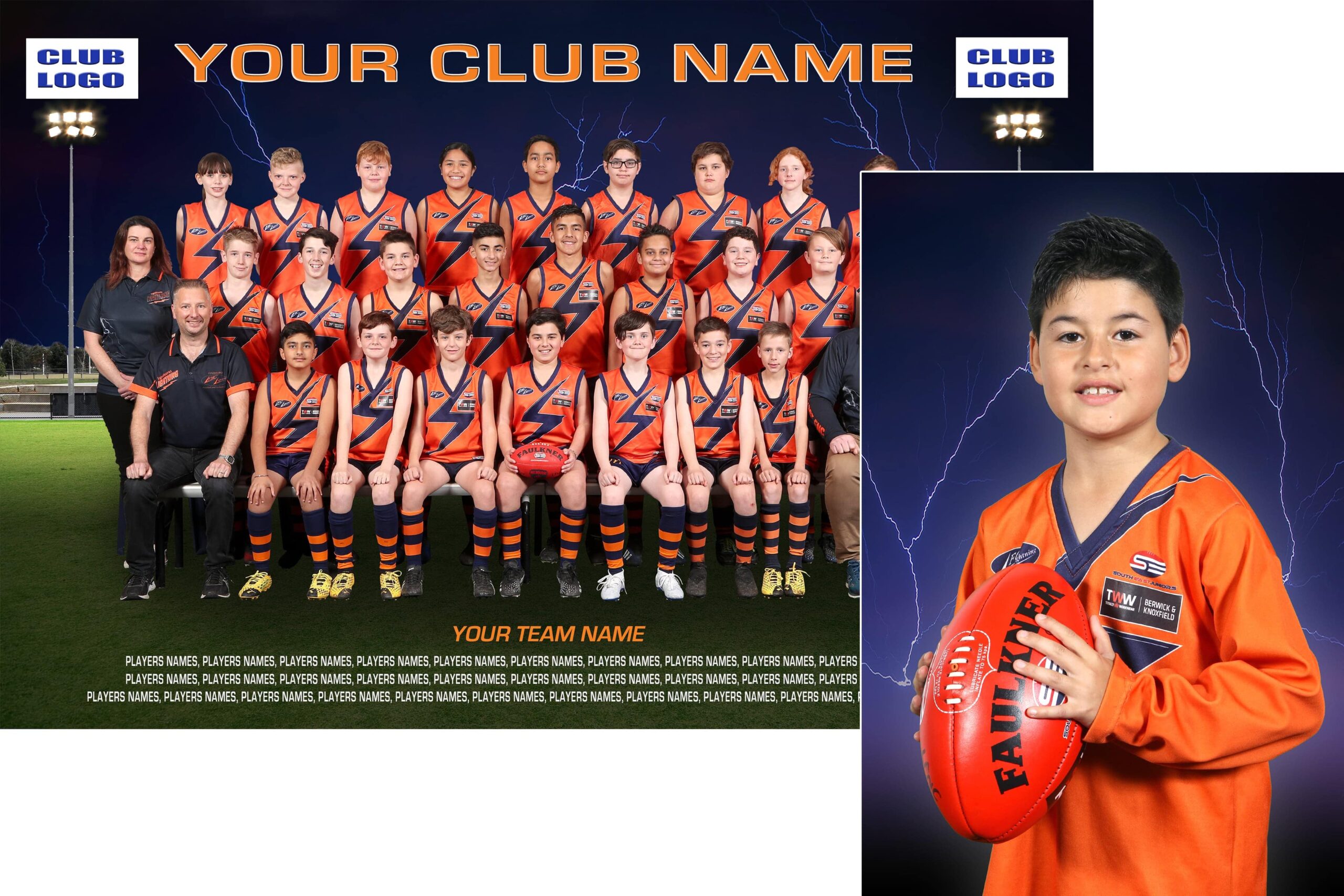
One of the best indicators is how the photographer talks about preparation. The best professionals talk about timing, positioning, and how they handle training transitions. They understand that Melbourne Sports Team Photography is not one job, it’s multiple micro-jobs: action capture, team identity, group composition, background control, and fast adaptation to weather and schedule changes.
They also explain delivery expectations clearly. Do you get a consistent set of images each session? Are there both action and face-focused frames? Are group photos included? How soon will images be delivered? How does the club get files that work for social and marketing?
A photographer might not control the wind on the day, but they can control their process. That’s the difference you feel as a client, and it’s the difference you see in the final gallery.
If you want to understand what’s behind good Sports Team Photographer Melbourne work, ask to see examples from training, not just match day. Training has the mess and the reality. It shows whether a photographer can handle real conditions and still produce images that look intentional.
Training sessions are where teams become themselves
People think sports photography is about freezing the peak moment. It is, but training sessions reveal the build-up to that peak. You see the habits. You see the leadership. You see the way a team reacts when drills are hard and mistakes happen. Those are the moments that make a club feel like a club.
When you get Sports Team Photography Melbourne done well at training, the images don’t just document what happened. They show who the team is becoming. That’s why training coverage matters for leagues, for sponsors, and for players who want to look back on their season with pride.
And if you’re the one planning the next season’s content, that same mindset helps you too. Don’t treat training photos as optional. Treat them as part of the story, because on Melbourne grounds, that story starts long before the match whistle.
Pure Sport Images
23 Grandview Ave, Mulgrave VIC 3170, Australia
+61 413 157 614
[email protected]
Website: https://puresportimages.com.au